
The most useful starting point is a route you actually ride. Picture its surface, its hills and the things you take with you. Then picture where the bike lives when you get home. Those details narrow the choice more quickly than a long list of components.
1. Match the bike to the route
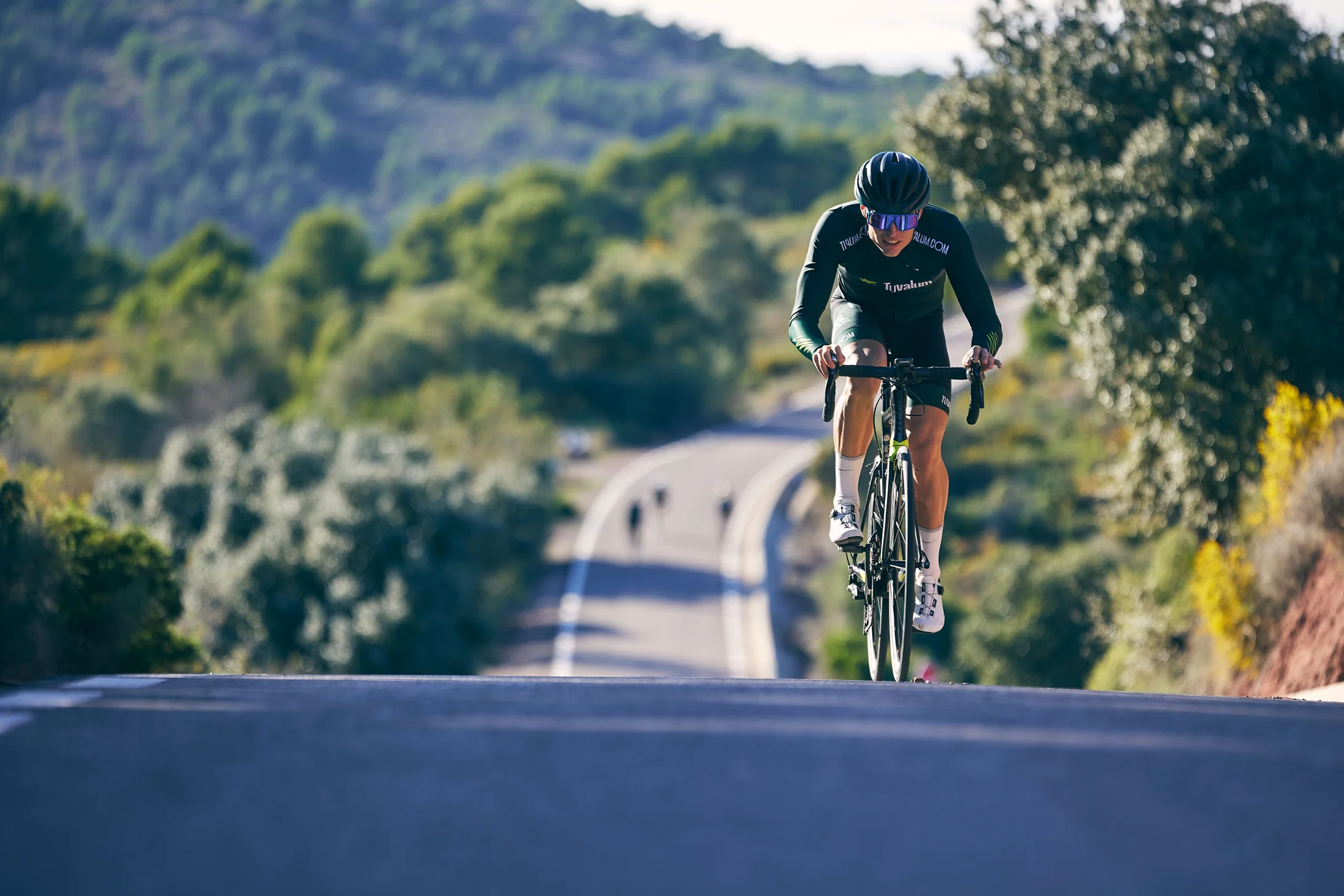
For everyday road journeys and leisure riding, a hybrid or city bike can be a sensible place to start. Flat handlebars and a practical riding position appeal to many riders. Look at the individual bike: some favour a relaxed position, while others feel more sporty.
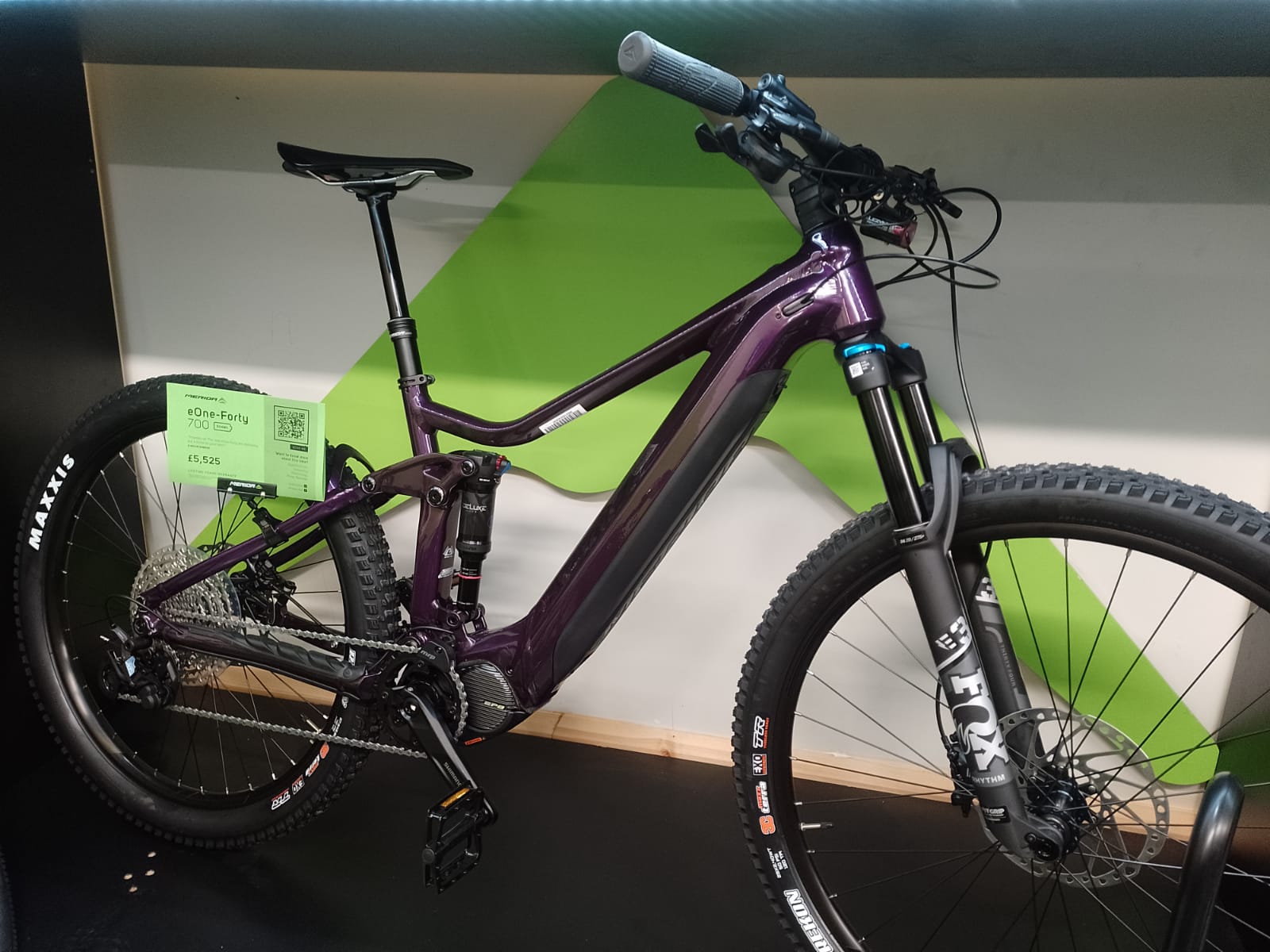
Gravel bikes often use dropped handlebars and combine road riding with suitable unpaved routes. Mountain bikes are designed around off-road use, with the tyres, geometry and suspension varying according to the riding they are built for. Always check the manufacturer’s intended-use limits; a category name is not permission to ride every trail or jump.
2. Choose the position you want to ride in
Consider whether you prefer to sit more upright or lean forwards. Try reaching the controls and think about getting on and off, particularly when carrying luggage. A step-through frame may be useful even if you have never considered one before.
3. Think beyond the first ride
If the bike will be used for work or shopping, check compatibility with mudguards and a luggage rack. If you need to lift it up steps, handle the bike before buying. If space is tight, measure the storage area rather than guessing.
4. Set a complete budget
Leave room for the equipment you need: a suitable lock, lights, a helmet and anything required to carry your belongings. Ask about maintenance as well as the purchase price.
5. Bring a short brief to the shop
Write down your typical route, the surfaces you expect, what you carry, where you store the bike and your overall budget. Add your height and inside-leg measurement. That gives us a useful place to start.